May 10, 2026Goodness Care Team3 min read

Intimate Dryness After Childbirth and While Breastfeeding: Why It Happens

In the weeks and months after having a baby, a lot of changes get talked about — sleep, recovery, the body finding its new normal. One that gets mentioned far less, often because it feels awkward to bring up, is vaginal dryness. If you've noticed it, especially while breastfeeding, there's a clear reason for it, and it's far more common than the silence around it suggests.

Why it happens

During pregnancy, estrogen levels are high. After birth — and particularly while you're breastfeeding — they drop and stay lower than usual. Breastfeeding raises a hormone called prolactin, which keeps estrogen suppressed for as long as you're nursing. That's the body doing exactly what it's designed to do. But estrogen is also what keeps vaginal tissue naturally moist and supple, so when it dips, dryness often follows.

The result can feel surprisingly like the dryness associated with menopause — and for the same underlying reason: lower estrogen. That can be disorienting when you're in your twenties or thirties and didn't expect to feel anything like this. It doesn't mean anything is wrong. It's a temporary hormonal state, not a permanent change.

How long it tends to last

For many women, the dryness eases once breastfeeding winds down and the menstrual cycle returns, as estrogen comes back up. While you're still nursing, though, it can persist — which is why "wait and it'll pass" isn't very satisfying advice when you're uncomfortable now. The dryness is temporary, but "temporary" can mean many months, and there's no reason to simply endure it in the meantime.

What helps

A non-hormonal vaginal moisturizer is a sensible first step. Because the dryness here is driven by naturally low estrogen during a specific life stage, a product that helps the tissue hold moisture — without adding hormones to a body that's already managing a delicate hormonal balance — fits the situation well.

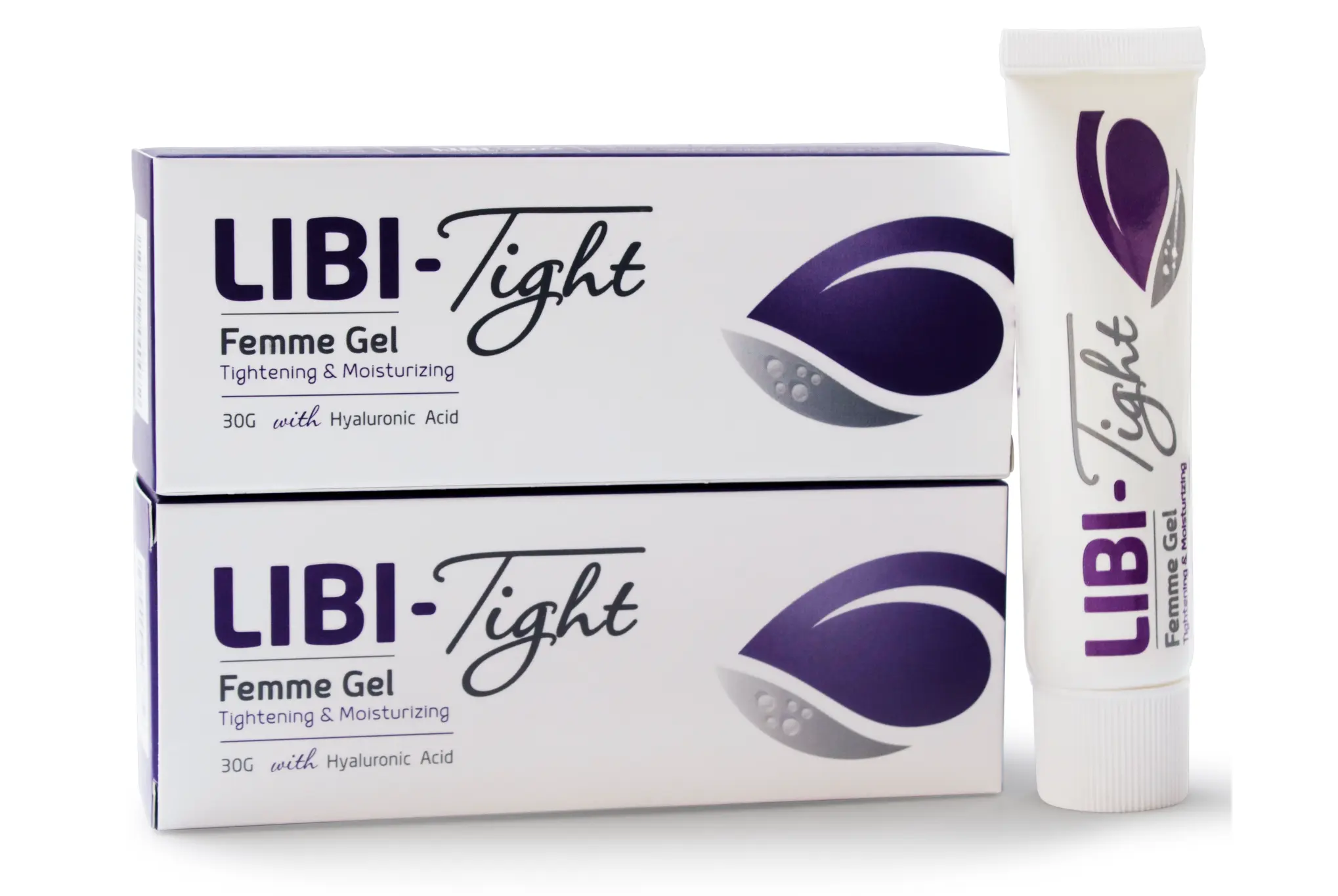
This is one of the situations LibiTight is made for. It's hormone-free, which matters when you're breastfeeding: its non-hormonal formulation is appropriate for breastfeeding mothers, so you're not introducing anything hormonal while nursing. It's water-based and formulated within the mildly acidic range that healthy vaginal tissue prefers. Used regularly, the hyaluronic acid helps replenish moisture in the tissue, while chamomile and allantoin help calm the irritation and soreness that dryness brings.

For comfort specifically around intimacy, applying a moisturizer ahead of time can help — and there's no rush to get back to anything on a particular schedule. Comfort and readiness come back at their own pace.

When to check with someone

Your postpartum check-ups are a natural moment to raise this — providers expect the question and it's a normal part of recovery. Do reach out sooner if you have pain that's sharp rather than simply dry, any unusual bleeding or discharge, or discomfort that's getting worse rather than better. And as a general principle during pregnancy itself, it's best to consult your obstetrician before using any vaginal product. After birth and while breastfeeding, a non-hormonal moisturizer is a gentle, appropriate option.

You can read more about this stage on our postpartum page, or ask our team if you'd like to talk it through.


This article is for educational purposes only and is not a substitute for medical advice. Consult your healthcare provider for guidance specific to you.

Related articles