June 1, 2026Goodness Care Team4 min read

When Intimacy Hurts: Understanding Painful Sex and What Can Help

Few things are harder to talk about than pain during intimacy. It's intensely private, often tangled up with feelings about your relationship and yourself, and surrounded by a silence that can make you feel completely alone in it. You're not. Painful sex — the clinical term is dyspareunia — is one of the most common intimate concerns women raise with doctors, and one of the most treatable. The hardest part is usually just naming it.

First, the reassurance

Pain during intimacy is not normal in the sense of "something you should expect and live with" — but it is common, and it usually has a physical, identifiable cause. It is not in your head, it's not a sign that something is wrong with you, and it doesn't mean intimacy has to be uncomfortable from now on. For most women, once the cause is understood, the discomfort can be addressed.

It also helps to know that pain can take different forms: a dryness-related soreness or friction, a burning sensation, a feeling of tightness, or a deeper discomfort. The kind of pain is itself a clue to the cause, which is one reason it's worth describing honestly to a doctor rather than brushing past it.

When dryness is the cause

One of the most common and most treatable causes is dryness. When vaginal tissue isn't holding enough moisture, intimacy creates friction against tissue that's already dry and sometimes fragile — which is felt as soreness, burning, or rawness. This is especially common during menopause, perimenopause, and breastfeeding, when lower estrogen reduces the tissue's natural moisture, and it can also follow childbirth or appear alongside certain medications.

When dryness is the driver, the encouraging news is that it often responds well to simple care — because you're addressing the friction at its source rather than pushing through it.

What can help when dryness is involved

If the cause is dryness, two complementary things help. A non-hormonal vaginal moisturizer, used regularly, works on the underlying dryness over time — helping the tissue hold moisture so it's less dry and fragile day to day. And for the moment of intimacy itself, applying a moisturizer ahead of time, or using a lubricant for immediate comfort, reduces friction when it matters. The two work on different timescales; our post on moisturizer vs. lubricant explains how they fit together.

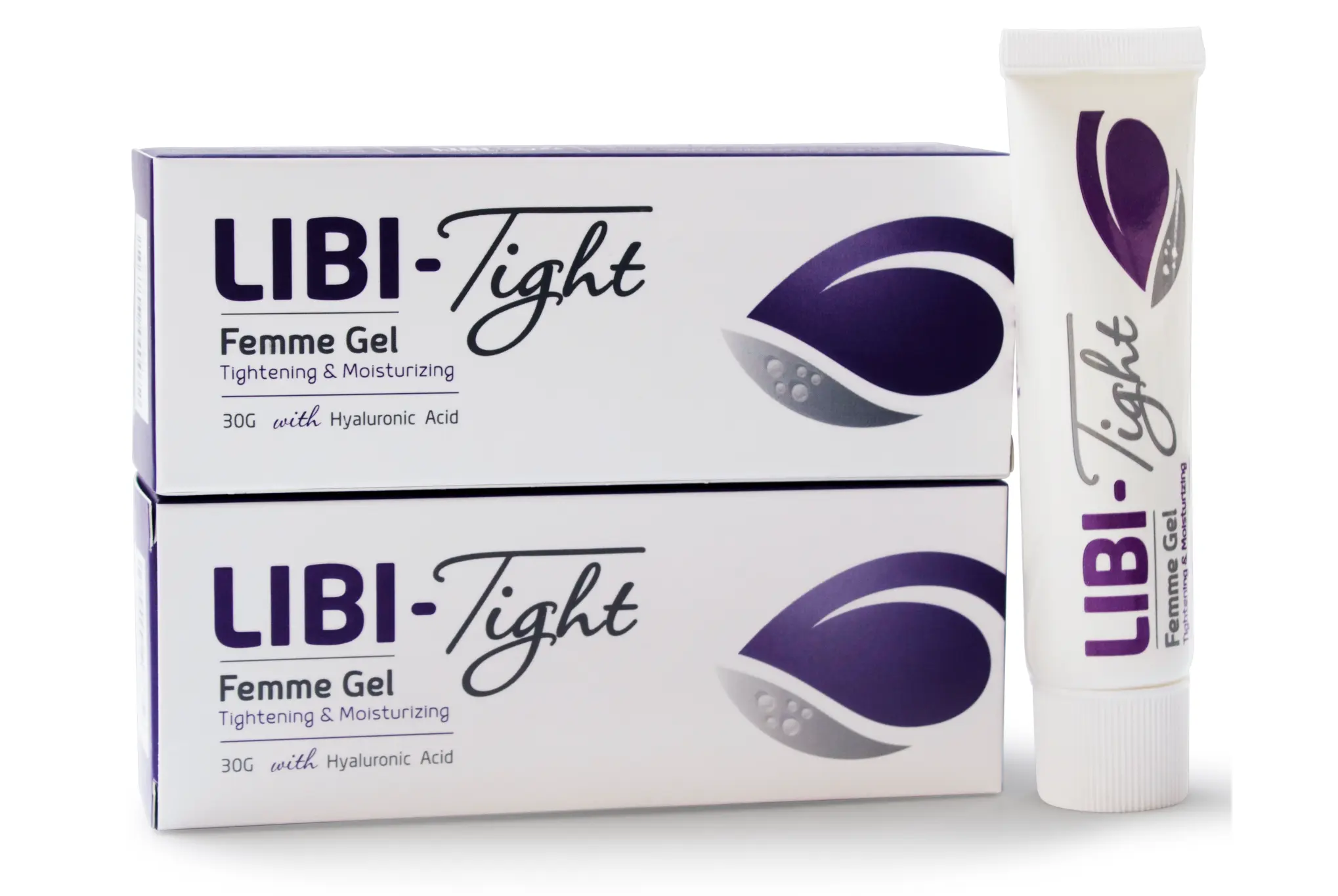
This is where LibiTight fits: hormone-free, water-based, and formulated within the mildly acidic range healthy tissue prefers. Used regularly, the hyaluronic acid helps replenish moisture in the tissue, while chamomile and allantoin help calm the irritation that friction and dryness cause. Applying it ahead of intimacy can help with comfort in the moment, while regular use addresses the everyday dryness underneath.

When it isn't only dryness

It's important to be honest that pain during intimacy can have causes beyond dryness — muscular tension, infections, skin conditions, and others. A moisturizer helps when dryness is the driver, but it isn't a fix for every cause. That's exactly why a professional assessment matters: it sorts out what's actually going on, so you're treating the real cause rather than guessing.

When to see your doctor

Please raise it with your gynecologist if intimacy is painful — especially if the pain is sharp rather than simply dry, if it's deep rather than at the surface, if it's new or getting worse, or if it comes with bleeding, unusual discharge, or other symptoms. None of this is cause for alarm, and your doctor will have heard it many times. If naming it feels difficult, our post on talking to your gynecologist offers some gentle ways to start the conversation.

For more on this, see our painful intercourse page, or reach out to our team with questions.


This article is for educational purposes only and is not a substitute for medical advice. Pain during intimacy can have several causes and should be assessed by a healthcare provider, particularly if it is new, severe, or accompanied by bleeding. Consult your provider for guidance specific to you.

Related articles