April 7, 2026Goodness Care Team5 min read

Intimate Dryness During and After Cancer Treatment

Cancer treatment asks a great deal of the body, and in the middle of everything it demands, intimate health often goes unmentioned — by patients who feel it's the least of their worries, and sometimes in appointments that are full of more urgent things. But vaginal dryness and related discomfort are a common effect of several treatments, and they deserve attention too. If this is something you're experiencing, it's real, it's recognized, and there are gentle ways to ease it.

A note before anything else: this article is general education, not treatment advice. During and after cancer treatment, your oncology team should guide any decision about what you use intimately — including anything you apply locally. Please read the following as background for a conversation with them, not as a substitute for it.

Why it happens

Several cancer treatments can bring on vaginal dryness. Treatments that lower estrogen, or that intentionally suppress it as part of the therapy, remove the hormonal support that normally keeps vaginal tissue moist and supple. Certain chemotherapy regimens can affect the tissue too, and treatment can sometimes bring on menopause earlier or more abruptly than it would otherwise arrive. The result is often dryness, sometimes itching, sensitivity, or discomfort — appearing more suddenly and intensely than the gradual dryness of natural menopause.

None of this is a sign that anything is going wrong with your treatment. It's a known, common effect, and the fact that it's common is exactly why it's worth raising rather than enduring quietly.

Why the hormone question is central here

For many women, the most direct treatment for dryness is a local estrogen product. But for women being treated for, or who have had, hormone-sensitive cancers, hormonal products may not be advisable — and that's a decision only your oncologist can make for your specific situation. This is the heart of why non-hormonal options matter so much for this group: when hormones are off the table, the question becomes what gentle, non-hormonal care can help with the dryness.

This is also precisely the population that non-hormonal hyaluronic acid has been studied in — researchers have specifically looked at it for women who cannot use estrogen-based treatments. The evidence is on hyaluronic acid as an active ingredient for easing dryness, and it's encouraging for exactly this reason: it offers a non-hormonal route for women who need one.

Where a non-hormonal moisturizer may fit

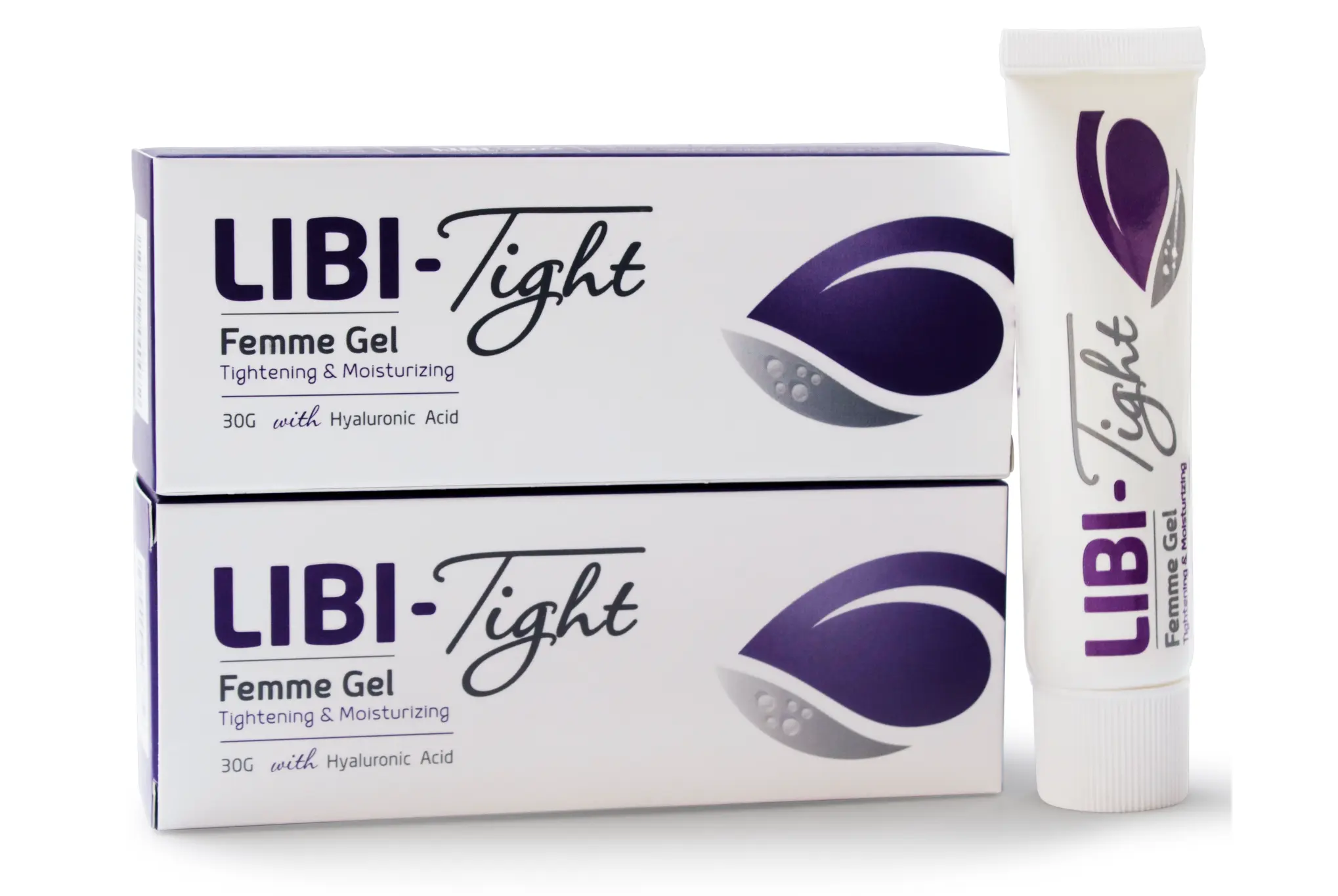
A non-hormonal vaginal moisturizer is the kind of option that can ease everyday dryness without introducing hormones — which is why it's worth asking your oncology team about. LibiTight is hormone-free, water-based, and formulated within the mildly acidic range healthy tissue prefers; its hyaluronic acid helps the tissue hold moisture, while chamomile and allantoin help calm irritation.

But the order of operations here matters more than with any other situation we write about: check with your oncology team first. Ask them whether a non-hormonal moisturizer is appropriate for you, when in your treatment it's suitable to use, and whether there's anything specific to avoid given your therapy. They may also be able to refer you to a specialist who focuses on these effects. Let their guidance lead; let a product follow only if they agree it fits.

Other things that can help

Alongside whatever your team advises, some gentle general habits tend to help and rarely hurt: choosing soft, breathable underwear; avoiding harsh or scented soaps and douching, which strip natural moisture; and being patient and unhurried with intimacy, with no pressure to be on any particular timeline. Many treatment centers also have specialist nurses or sexual-health services for exactly these concerns — asking whether yours does can open a door you didn't know was there.

The most important point

If you take one thing from this: intimate dryness during cancer treatment is common, it's not something you have to simply accept in silence, and it's a legitimate thing to raise with your care team. They can help you find an approach that's safe for your specific treatment — and gentle, non-hormonal care often has a place in that, with their guidance.

You can read more on our vaginal dryness page, or reach out to our team with general questions — though for anything related to your treatment, your oncology team is the right first call.


This article is for educational purposes only and is not a substitute for medical advice. If you are undergoing or have completed cancer treatment, consult your oncology team before using any vaginal product, including non-hormonal ones. This is a sensitive topic; if you'd like, your care team can also connect you with specialist support.

Related articles