April 13, 2026Goodness Care Team4 min read

Hormone-Free Options for Intimate Dryness: Who They're For

When vaginal dryness comes up with a doctor, the conversation often turns quickly to estrogen — and for good reason: local estrogen treatments are effective, and for many women they're a sensible choice. But a large number of women find themselves on the other side of that conversation, either unable to use hormones or simply preferring not to. If that's you, it helps to know the non-hormonal route is real, evidence-based, and suited to a wide range of situations — not a fallback, but a legitimate option in its own right.

Who tends to prefer or need a non-hormonal option

There's no single profile. Several different situations lead women to the same question — "what can I use that isn't hormonal?":

  • Women with hormone-sensitive health histories. For some women, particularly those treated for certain cancers, hormonal products may not be advisable. This is always a decision for the treating doctor, but it's one of the clearest reasons non-hormonal options matter.
  • Women who simply prefer to avoid hormones. A completely valid personal choice. Not everyone wants to add a hormonal product to their routine, and that preference doesn't need to be justified.
  • Breastfeeding mothers. While nursing, many women prefer not to introduce anything hormonal. A non-hormonal moisturizer fits this stage, where dryness is common and the preference for "nothing hormonal right now" is widespread.
  • Younger women whose dryness isn't really about menopause. When the cause is stress, a medication, or a contraceptive rather than declining estrogen, a hormonal treatment isn't necessarily the right tool, and a gentle non-hormonal moisturizer addresses the everyday dryness directly.
  • Women who'd rather start gentle. Some simply want to begin with the simplest, lowest-intervention option and see how far it gets them before considering anything more.

What "non-hormonal" actually means here

A non-hormonal moisturizer doesn't add hormones to your body or interact with your hormonal balance. Instead of working through estrogen, it works mechanically and physically — helping the tissue hold moisture directly. That's why it doesn't interfere with contraceptives, doesn't complicate a shifting hormonal picture in perimenopause or breastfeeding, and is generally suitable across a wide range of women.

The most-studied non-hormonal active for this is hyaluronic acid, which has been researched specifically as an alternative for women who can't or don't want to use estrogen. We go deeper into how it works in our post on what hyaluronic acid does.

How a non-hormonal moisturizer fits in

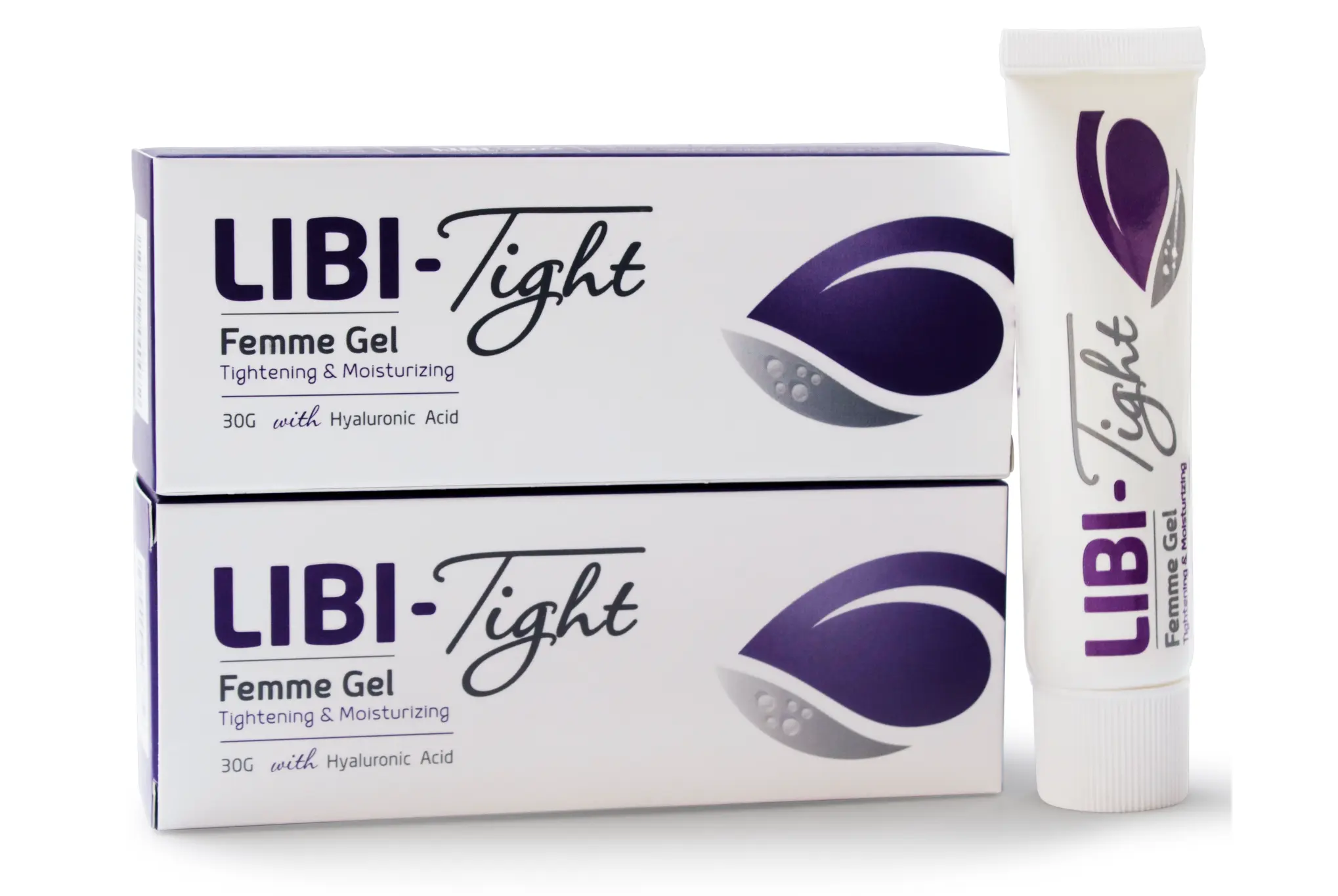
This is the category LibiTight belongs to: hormone-free, water-based, and formulated within the mildly acidic range healthy vaginal tissue prefers. Used regularly, the hyaluronic acid helps replenish moisture in the tissue, allantoin helps it hold that moisture, and chamomile helps calm the irritation dryness brings. Because it's a moisturizer rather than a one-moment lubricant, it works on the everyday dryness — and if that distinction is new to you, our moisturizer vs. lubricant post explains it.

Non-hormonal and hormonal aren't enemies

It's worth saying clearly: this isn't a contest. Hormonal treatments are a good choice for many women, and some women use a non-hormonal moisturizer alongside other approaches their doctor recommends. The point of understanding non-hormonal options isn't to argue against hormones — it's to make sure women who can't or prefer not to use them know they have a real, evidence-based path, and aren't left feeling there's nothing for them.

Talking to your doctor

Whatever direction you lean, your gynecologist or pharmacist can help you match the option to your situation — especially if you have a health history that affects whether hormones are advisable. If you'd prefer non-hormonal care, say so directly; it's a normal request, and it helps your doctor guide you well. And if raising the topic at all feels awkward, our post on talking to your gynecologist has some practical ways to start.

You can read more on our vaginal dryness page, or reach out to our team with questions.


This article is for educational purposes only and is not a substitute for medical advice. If you have a hormone-sensitive health history, any decision about hormonal or non-hormonal products should be made with your doctor. Consult your provider for guidance specific to you.

Related articles