April 29, 2026Goodness Care Team4 min read

Itching and Burning That Isn't a Yeast Infection: What Else It Could Be

Itching and burning in the intimate area almost always send the mind straight to one conclusion: a yeast infection. It's the most familiar explanation, the one with products on every pharmacy shelf. And often that guess is right. But not always — and when it's wrong, treating for a yeast infection that isn't there leaves the real cause untouched, which is exactly why some women feel like nothing helps.

This post is about the other common cause of those same sensations: dryness and thinning of the tissue. Understanding that it can feel almost identical is the first step to getting the right kind of relief.

Why they feel so similar

A yeast infection and intimate dryness can produce overlapping sensations — itching, burning, irritation, discomfort during intimacy. The feelings are similar enough that it's genuinely easy to mistake one for the other. But the underlying causes are completely different, and so is what helps.

A yeast infection is an overgrowth of a fungus that naturally lives in the area, usually accompanied by a distinctive thick discharge. Dryness, by contrast, comes from tissue that isn't holding enough moisture — often because of lower estrogen (menopause, perimenopause, breastfeeding), certain medications, or other ordinary factors. Same itching, very different reason.

Clues that point away from a yeast infection

These aren't a diagnosis — only a doctor or pharmacist can tell you for sure — but some patterns make dryness more likely than infection worth considering:

  • No unusual discharge. Yeast infections typically come with a thick, distinctive discharge. Itching and burning without that change in discharge point elsewhere.
  • It tracks with a life stage. If the symptoms line up with menopause, perimenopause, or breastfeeding, low estrogen and dryness are a common explanation.
  • Antifungal treatment didn't help. If you've already treated for a yeast infection and the itching persisted, that's a strong signal the cause may not have been yeast at all.
  • It's there most of the time, and feels like tightness or rawness rather than the intense itch many associate with infection.

When to see someone — and what to mention

Please get a professional assessment if you have: a first-time episode you're unsure about, symptoms that keep coming back, severe itching or burning, any unusual discharge, sores, bleeding, or symptoms that don't clear with treatment. There are several possible causes beyond yeast and dryness — including other infections — and they need different approaches. A quick check sorts it out.

When you go, it helps to mention whether there's any change in discharge, whether you've already tried an antifungal treatment and what happened, and whether anything in your life has changed recently (a new medication, breastfeeding, approaching menopause). That picture helps your doctor land on the right answer faster.

If it turns out to be dryness

If a professional rules out infection and the cause is dryness, the good news is that it usually responds well to simple, gentle care. A non-hormonal vaginal moisturizer, used regularly, helps the tissue hold moisture and eases the itching and irritation that dryness brings.

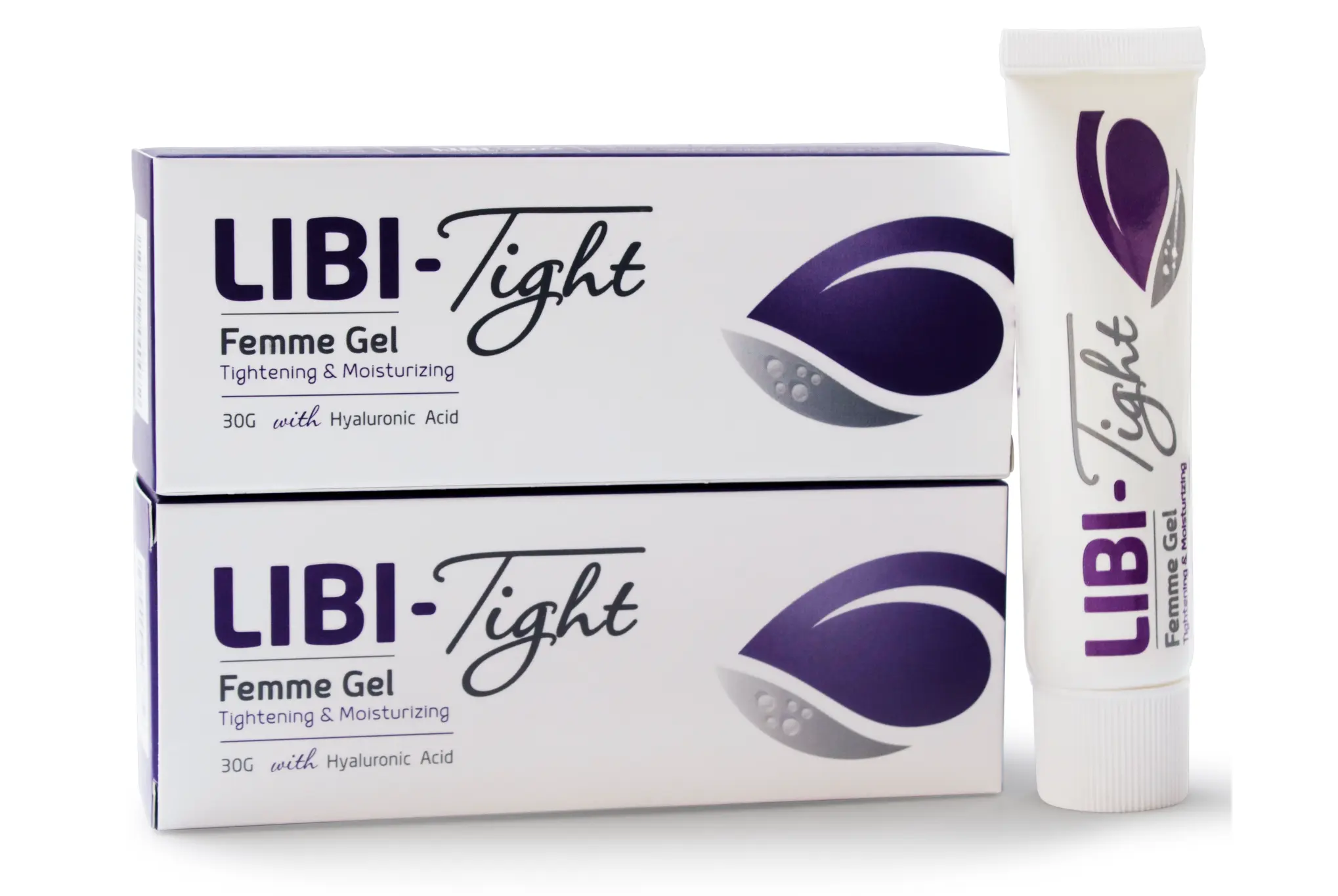
This is the situation LibiTight is built for: hormone-free, water-based, and formulated within the mildly acidic range healthy tissue prefers. The hyaluronic acid helps replenish moisture in the tissue, while chamomile and allantoin help calm irritation. One caution that applies to everyone, whatever the cause: avoid harsh or scented soaps and douching, which strip natural moisture and can make irritation worse.

You can read more on our vaginal dryness page, see how a moisturizer differs from a lubricant in our moisturizer vs. lubricant post, or reach out to our team with questions.


This article is for educational purposes only and is not a substitute for medical advice. Persistent or severe symptoms should always be assessed by a healthcare provider, as itching and burning can have several causes. Consult your provider for guidance specific to you.

Related articles