May 5, 2026Goodness Care Team4 min read

Perimenopause: What's Actually Happening, and What You Can Do About It

Most women know the word "menopause." Far fewer are told much about the years that lead up to it — which is strange, because that's the stretch of time when many of the changes actually begin. That run-up has a name: perimenopause. And if you've noticed your body behaving differently in your forties, or even your late thirties, this is very likely the explanation.

What perimenopause actually is

Menopause itself is a single point in time — the moment you've gone twelve months without a period. Perimenopause is everything before it: the transition, when your hormones begin shifting but haven't settled into their post-menopausal pattern.

The key word is shifting. During these years, estrogen doesn't simply decline in a straight line — it fluctuates, sometimes quite a lot, before its eventual downward trend. That up-and-down is why perimenopause can feel so unpredictable: some weeks feel normal, others don't, and the symptoms come and go rather than arriving all at once. This phase can last several years, and it commonly begins earlier than women expect — often in the forties, sometimes sooner.

Why it affects intimate comfort

Estrogen does a lot of quiet work in the body, and one of its jobs is keeping vaginal tissue moist, supple, and elastic. As estrogen levels begin to dip and swing during perimenopause, that tissue gets less of the support it's used to. The result is often dryness, sometimes itching or a feeling of tightness, and for some women discomfort during intimacy.

What surprises many women is the timing. Because dryness is so associated with full menopause, feeling it while you're still having periods can be confusing. But perimenopausal dryness is common and entirely consistent with what's happening hormonally — you don't have to have stopped menstruating to feel it.

Other things you might notice

Intimate dryness rarely shows up alone during perimenopause. You may also notice changes in your cycle (periods closer together or further apart, heavier or lighter), sleep disruption, shifts in mood, hot flushes, or a general sense that your body's rhythms have changed. Not everyone gets all of these, and intensity varies enormously from one woman to the next. The common thread is the underlying hormonal shift.

What helps with the dryness

For the intimate dryness specifically, a non-hormonal vaginal moisturizer is a sensible and gentle first step. Because perimenopausal dryness is driven by changing estrogen, a product that helps the tissue hold moisture — used regularly, not just before intimacy — addresses the everyday discomfort rather than only masking it in the moment. And a non-hormonal option lets you address the dryness without adding to a hormonal picture that's already in flux.

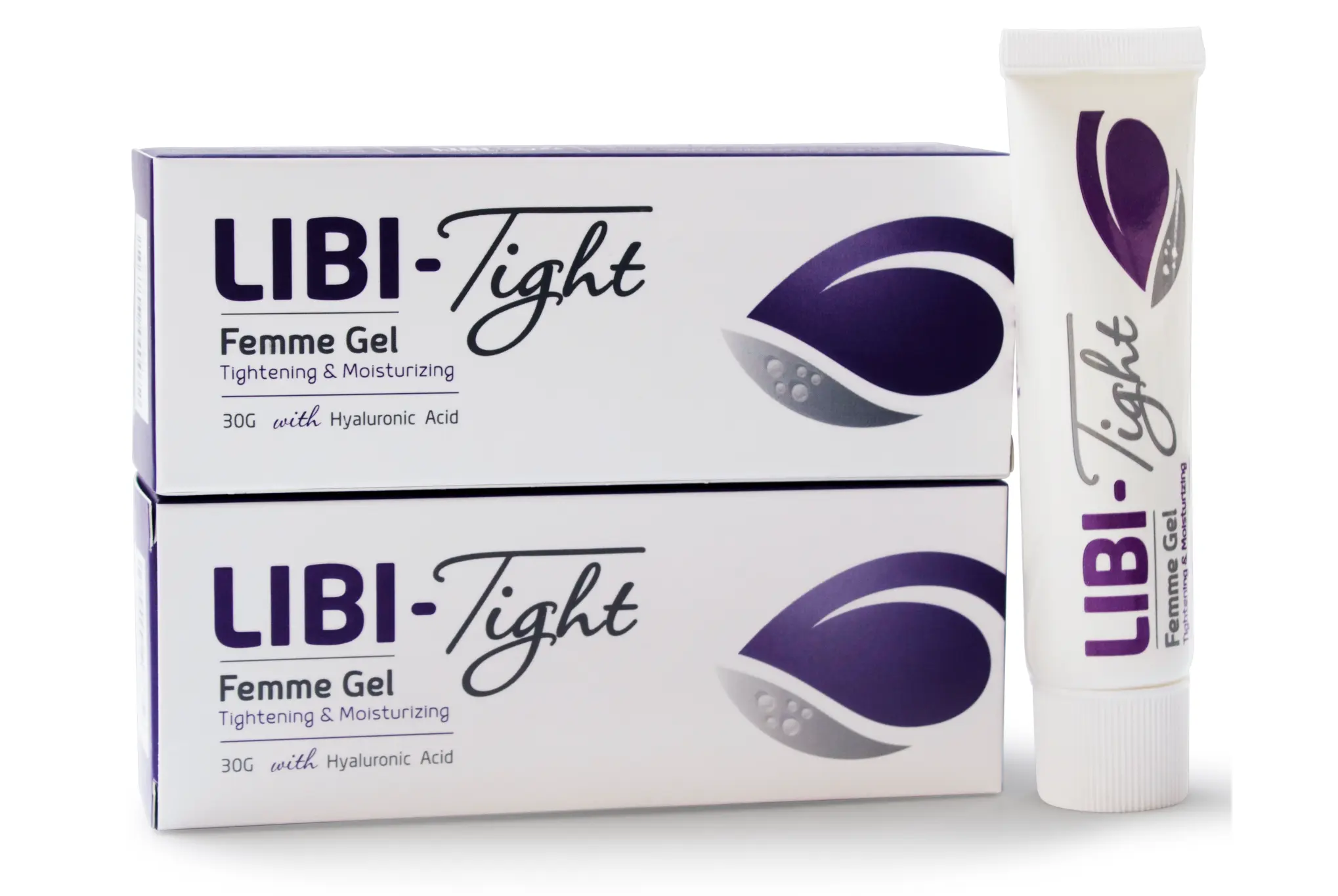
This is a situation LibiTight is designed for. It's hormone-free and water-based, formulated within the mildly acidic range that healthy vaginal tissue prefers. The hyaluronic acid helps replenish moisture in the tissue, allantoin helps it hold that moisture, and chamomile calms the irritation that dryness tends to bring. If you're weighing how a moisturizer differs from a lubricant for this, our post on moisturizer vs. lubricant explains the distinction.

Some women in perimenopause and beyond do explore hormonal approaches with their doctors, and that's a valid conversation to have. A non-hormonal moisturizer isn't in competition with that — it's simply an accessible, gentle option that many women find addresses the dryness on its own, and one that fits those who can't or prefer not to use hormones.

When to talk to your doctor

Perimenopause is a normal life stage, not a condition to treat — but it's well worth discussing with your gynecologist, who can help you understand what you're experiencing and walk through your options. Reach out sooner if you have very heavy bleeding, bleeding between periods or after intimacy, severe pain, or symptoms that are disrupting your daily life. These are worth a professional look, not because perimenopause is dangerous, but because the right guidance depends on your specific picture.

You can read more on our menopause and vaginal dryness pages, or reach out to our team with questions.


This article is for educational purposes only and is not a substitute for medical advice. Consult your healthcare provider for guidance specific to you.

Related articles