April 2, 2026Goodness Care Team4 min read

Vaginal Atrophy: What the Word Means, and Why It's More Common Than You Think

"Vaginal atrophy" is one of those medical terms that sounds far more alarming than the experience it describes. The word atrophy suggests something wasting away or beyond repair, and that can be frightening to read on a diagnosis or a search result. So let's start by taking the fear out of it: vaginal atrophy is a common, well-understood change in the tissue — and one that responds to care.

What it actually means

Vaginal atrophy describes tissue that has become thinner, drier, and less elastic than it used to be. Healthy vaginal tissue is plump, moist, and supple; when it atrophies, it loses some of that — becoming more delicate, more easily irritated, and less naturally lubricated. You may also see it called atrophic vaginitis or, in a broader sense, part of the genitourinary syndrome of menopause. They're describing the same underlying change.

The sensations that come with it are familiar to many women: dryness, itching or burning, a feeling of tightness or rawness, discomfort during intimacy, and sometimes more frequent irritation or a sense of urgency around the bladder. None of these are unusual, and none mean something is seriously wrong.

Why it happens

The most common driver is lower estrogen. Estrogen is what keeps vaginal tissue thick, moist, and elastic, so when its levels fall, the tissue gradually loses that support and begins to thin. That's why atrophy is so closely associated with menopause and the years leading up to it — but it isn't only a menopause story. The lower-estrogen states of breastfeeding and certain medical treatments can produce the same change, which is why younger women sometimes experience it too.

Why it's worth addressing rather than enduring

Many women live with atrophy quietly for years, assuming it's simply part of getting older and that nothing can be done. Two things are worth knowing. First, it tends not to improve on its own when the cause is ongoing low estrogen — so waiting rarely helps. Second, it responds well to care. Left unaddressed, the dryness and fragility can make everyday life and intimacy steadily less comfortable; addressed, that discomfort usually eases. The point isn't alarm — it's that there's no reason to simply put up with it.

What helps

For many women, the first and gentlest step is a non-hormonal vaginal moisturizer used regularly. Because atrophy is fundamentally about tissue that's lost moisture and suppleness, a moisturizer that helps the tissue hold water again addresses the core of the problem rather than masking it for a moment.

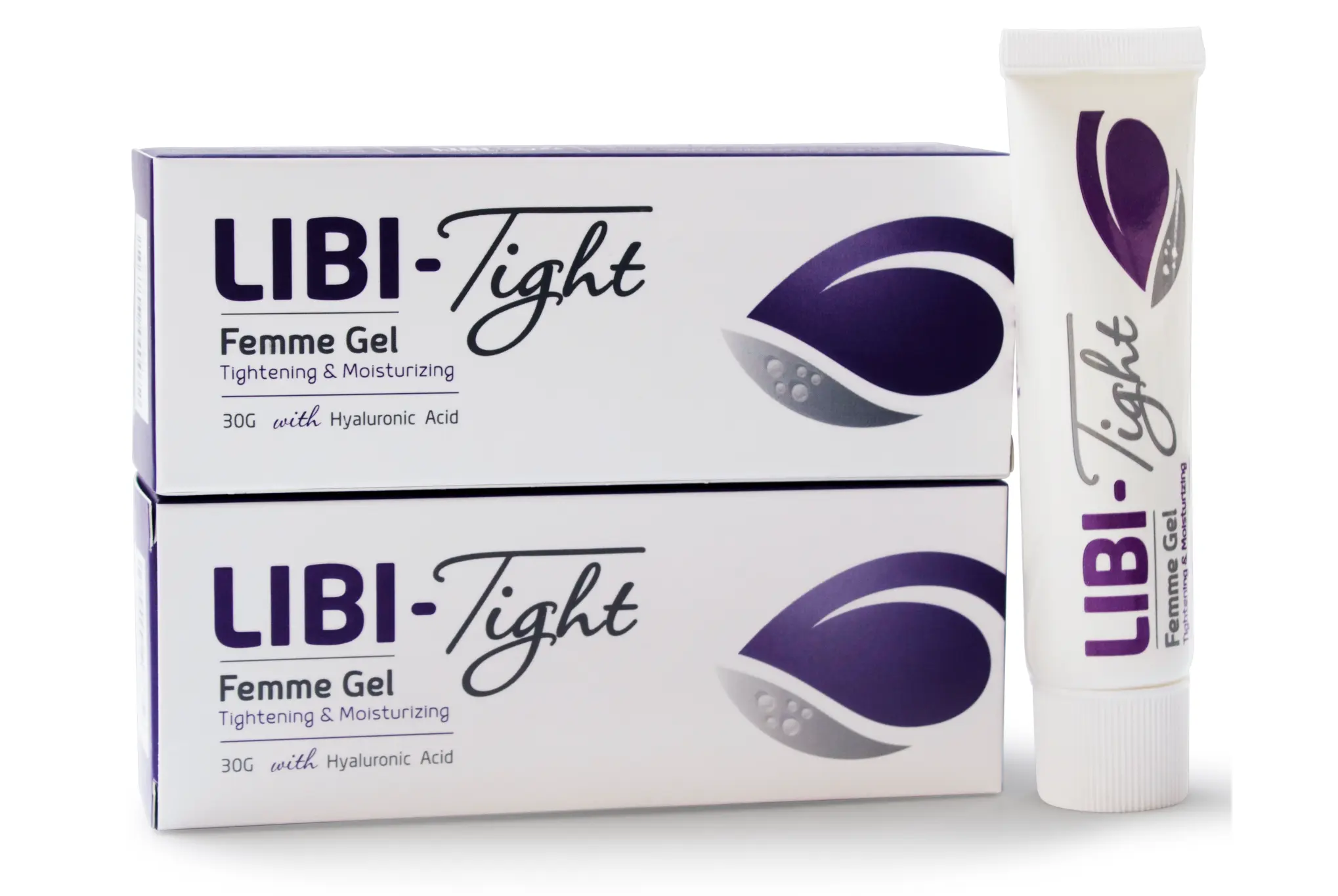
This is a situation LibiTight is built for. It's hormone-free, water-based, and formulated within the mildly acidic range healthy tissue prefers. The hyaluronic acid helps replenish moisture in the tissue, allantoin helps it hold that moisture, and chamomile helps calm the irritation that fragile tissue is prone to. Used consistently — not just before intimacy — it works on the everyday dryness and tightness.

Some women, particularly with more pronounced atrophy, also discuss estrogen-based treatments with their doctors, and that's a valid path. A non-hormonal moisturizer isn't in competition with it — it's an accessible, gentle option that many women find addresses the discomfort on its own, and the right choice for those who can't or prefer not to use hormones. Our post on hormone-free options walks through how to think about that.

When to see your doctor

It's worth having atrophy assessed by your gynecologist — partly to confirm that's what it is, and partly so you can discuss the options suited to how pronounced it is. Reach out sooner if you have bleeding (especially after menopause or after intimacy), pain that's sharp rather than simply dry, or symptoms that are getting worse. These deserve a professional look, not because atrophy is dangerous, but because the right guidance depends on your specific picture.

For the clinical detail, see our vaginal atrophy page; to understand the active that helps most, our post on what hyaluronic acid does goes deeper. As always, you can reach out to our team with questions.


This article is for educational purposes only and is not a substitute for medical advice. Any bleeding after menopause should always be assessed by a healthcare provider. Consult your provider for guidance specific to you.

Related articles