April 18, 2026Goodness Care Team4 min read

What Hyaluronic Acid Actually Does for Intimate Dryness

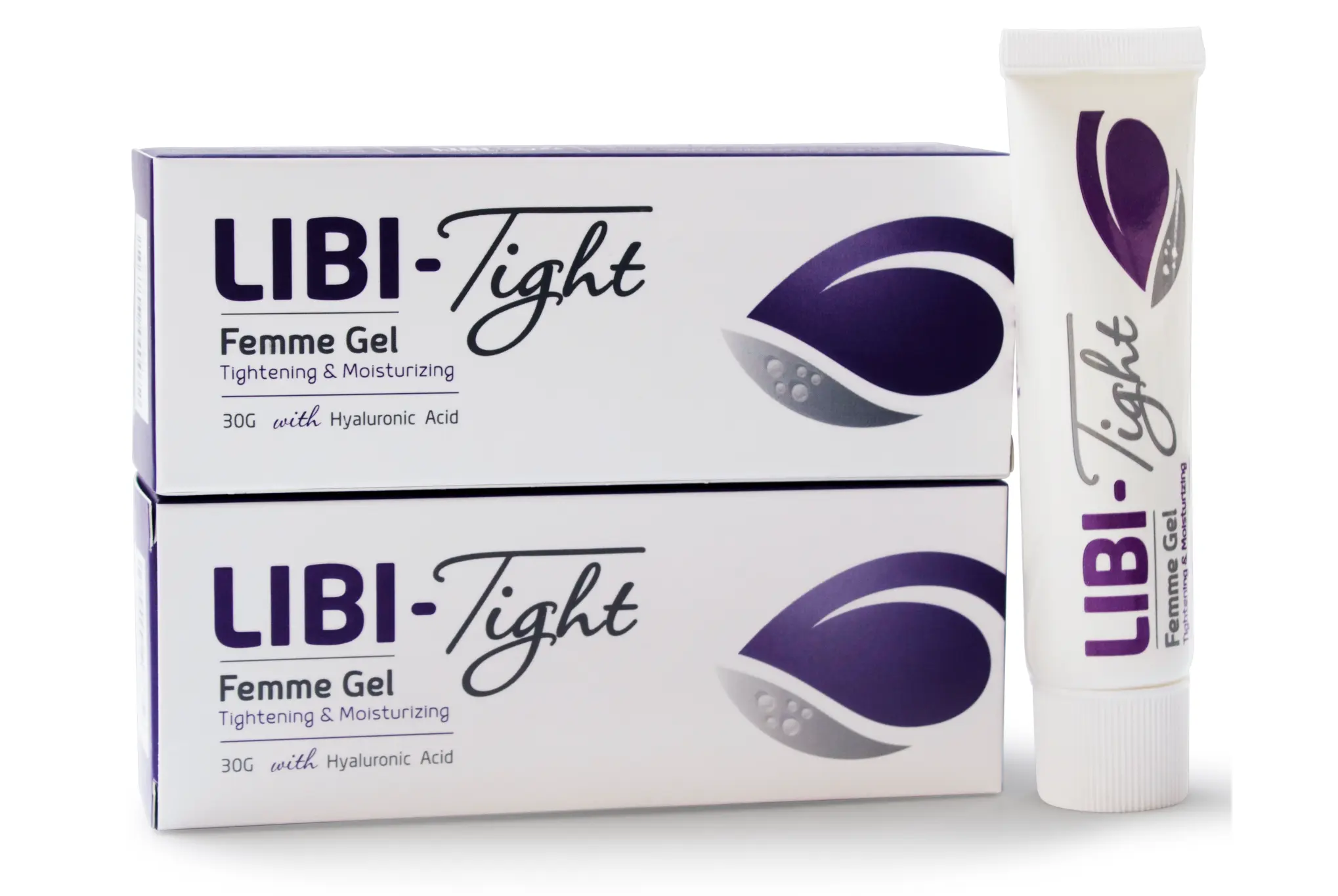
If you've shopped for skincare in the last few years, you've seen "hyaluronic acid" on more bottles than you can count. What's less well known is that the same molecule has a specific, well-studied role in intimate health — and it's the active that anchors many non-hormonal approaches to vaginal dryness, including LibiTight. So it's worth understanding what it actually does, in plain terms.

What it is

Despite the name, hyaluronic acid isn't harsh or acidic in the way the word suggests. It's a molecule your body already makes, found naturally throughout your tissues, where part of its job is holding water. Its defining property is remarkable: it can bind and hold a very large amount of water relative to its own size. That's the whole reason it shows up in moisturizers — it's nature's way of keeping tissue hydrated.

How it works on dry tissue

When tissue is dry, the problem is essentially that it isn't holding enough moisture. Applied topically, hyaluronic acid works by drawing water in and helping the tissue retain it, forming a thin, hydrating film on the surface. Rather than coating things for a moment the way a lubricant does, it helps replenish moisture in the tissue itself.

For intimate tissue specifically, this matters because dryness there isn't only about comfort during one activity — it's the everyday itching, the rawness, the tightness that comes from tissue that's lost some of its natural moisture. By helping the tissue hold water again, hyaluronic acid addresses that underlying dryness rather than just the moment.

Why it's the non-hormonal option people study most

Vaginal dryness has a well-established hormonal cause in many women — declining estrogen during menopause, perimenopause, or breastfeeding. The most direct treatments are estrogen-based, and they work. But a significant number of women can't use hormonal products or would simply prefer not to, and for them the obvious question is: what non-hormonal option has actual evidence behind it?

Hyaluronic acid is the answer that has been studied most. Research has looked at topical hyaluronic acid for vaginal dryness and the discomfort of vaginal atrophy, including studies comparing it directly against estrogen-based creams. The general picture from that body of work is that hyaluronic acid is a reasonable, well-tolerated non-hormonal option for easing dryness — which is exactly why it has become the backbone of non-hormonal intimate moisturizers.

What the evidence does and doesn't say

It's worth being precise here, because precision is what separates honest information from marketing. The clinical evidence is on hyaluronic acid as an active ingredient — that's what researchers have studied. The evidence describes the actives individually; a finished product that combines hyaluronic acid with other ingredients hasn't typically been put through the same randomized trials as a complete formulation. So the right way to read it is: there's a solid, encouraging body of research on hyaluronic acid itself for intimate dryness, and that's the ingredient at the center of LibiTight.

In LibiTight, hyaluronic acid doesn't work alone — allantoin helps the tissue hold the moisture HA draws in, and chamomile helps calm the irritation that dryness brings. But hyaluronic acid is the hydration workhorse, and it's the reason the formula is built around it.

Practical notes

A few things that follow from how it works. Because it builds with consistent use, a hyaluronic acid moisturizer is something you use on a regular schedule rather than only before intimacy. Because it's non-hormonal, it doesn't interfere with contraceptives or add to a shifting hormonal picture. And because the goal is to support the tissue's own moisture and balance, pairing it with gentle habits — skipping harsh or scented soaps and douching — helps it do its job.

You can read more about the full formula, see how a moisturizer differs from a lubricant in our moisturizer vs. lubricant post, or reach out to our team with questions.


This article is for educational purposes only and is not a substitute for medical advice. Consult your healthcare provider for guidance specific to you.

Related articles