April 24, 2026Goodness Care Team4 min read

Vaginal Dryness When You're Not in Menopause: The Causes No One Mentions

There's a common assumption that vaginal dryness is something that happens later — a menopause thing. So when a woman in her twenties or thirties notices it, the first reaction is often confusion, sometimes worry that something is wrong. Here's the reassuring part: dryness at any age is common, and there are several ordinary explanations that have nothing to do with menopause.

Knowing which one applies to you is the difference between worrying about it and simply addressing it.

Hormonal birth control

This is one of the most overlooked causes. Some hormonal contraceptives can lower the body's levels of certain hormones that help keep vaginal tissue moist. For many women this is no issue at all; for some, dryness or reduced natural lubrication is a side effect that quietly appears and never gets connected to the pill. If your dryness started after beginning or switching contraceptives, that timing is worth noticing — and worth raising with your doctor, who can talk through whether it's related and what your options are.

Breastfeeding

If you've recently had a baby and are nursing, your estrogen is naturally lower than usual, which often brings dryness with it. It can feel a lot like menopausal dryness because the underlying mechanism is similar — temporarily reduced estrogen. It typically eases as breastfeeding winds down. We cover this in more detail in our post on dryness after childbirth and while breastfeeding.

Stress and the nervous system

Arousal and natural lubrication are partly governed by the nervous system, and stress interferes with both. When your body is running in a stressed, "on alert" state much of the time, the relaxed conditions that allow natural lubrication simply don't get a chance to switch on. This isn't about effort or willpower — it's physiology. Periods of high stress, exhaustion, or anxiety can show up as dryness, and it tends to improve as the pressure eases.

Medications

Several everyday medications list reduced moisture as a side effect — some allergy medicines (antihistamines), certain cold remedies, and some antidepressants among them. They work in ways that can dry out more than just the nose or mouth. If your dryness lines up with starting a new medication, that's a useful clue to mention to your doctor or pharmacist.

Other everyday factors

A few more worth knowing: harsh soaps, scented washes, or douching can strip the area's natural moisture and disrupt its delicate balance — gentler is better. Not being fully relaxed or aroused before intimacy can also read as "dryness" when it's really about timing. And simple dehydration, while not the whole story, doesn't help.

What helps in the meantime

Whatever the underlying cause, a non-hormonal vaginal moisturizer can ease the day-to-day discomfort while you and your doctor sort out the source. Because it doesn't add hormones, it doesn't interfere with contraceptives or complicate the hormonal picture — it simply helps the tissue hold moisture.

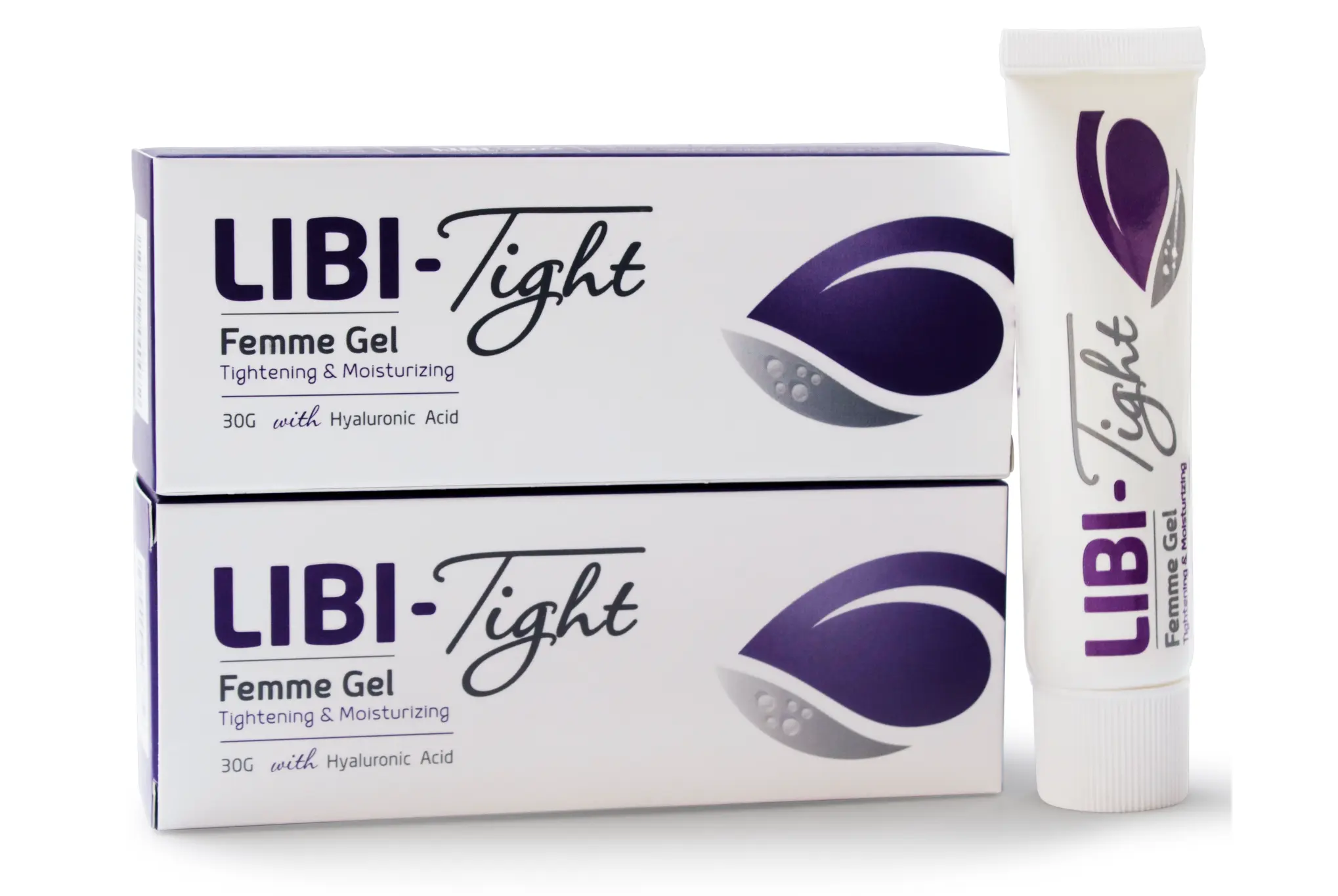
This is the everyday-dryness situation LibiTight is built for: hormone-free, water-based, and formulated within the mildly acidic range healthy tissue prefers. Used regularly, hyaluronic acid helps replenish moisture in the tissue, while chamomile and allantoin calm the itching and irritation. If you also want help understanding the difference between a moisturizer and a lubricant for these situations, our post on moisturizer vs. lubricant breaks it down.

When to see someone

Talk to your gynecologist or pharmacist if the dryness is persistent, comes with pain, itching that won't settle, unusual discharge, or any bleeding — or if it started right after a new medication or contraceptive and you'd like to understand the connection. None of this is cause for alarm; it just helps to start from the right explanation.

You can read more on our vaginal dryness page, or reach out to our team with questions.


This article is for educational purposes only and is not a substitute for medical advice. Consult your healthcare provider for guidance specific to you.

Related articles